
Vinyl Fabric Tips
Choosing Marine Vinyl for Pontoon Boats vs Fishing Boats
Feb
Key performance differences based on boat type and usage
Here’s something a lot of boat owners don’t think about until it’s too late: not all marine vinyl is created equal, and what works great on a pontoon can fall apart fast on a fishing boat. The way you actually use your boat matters a lot more than most people realize when it comes to picking the right upholstery material.
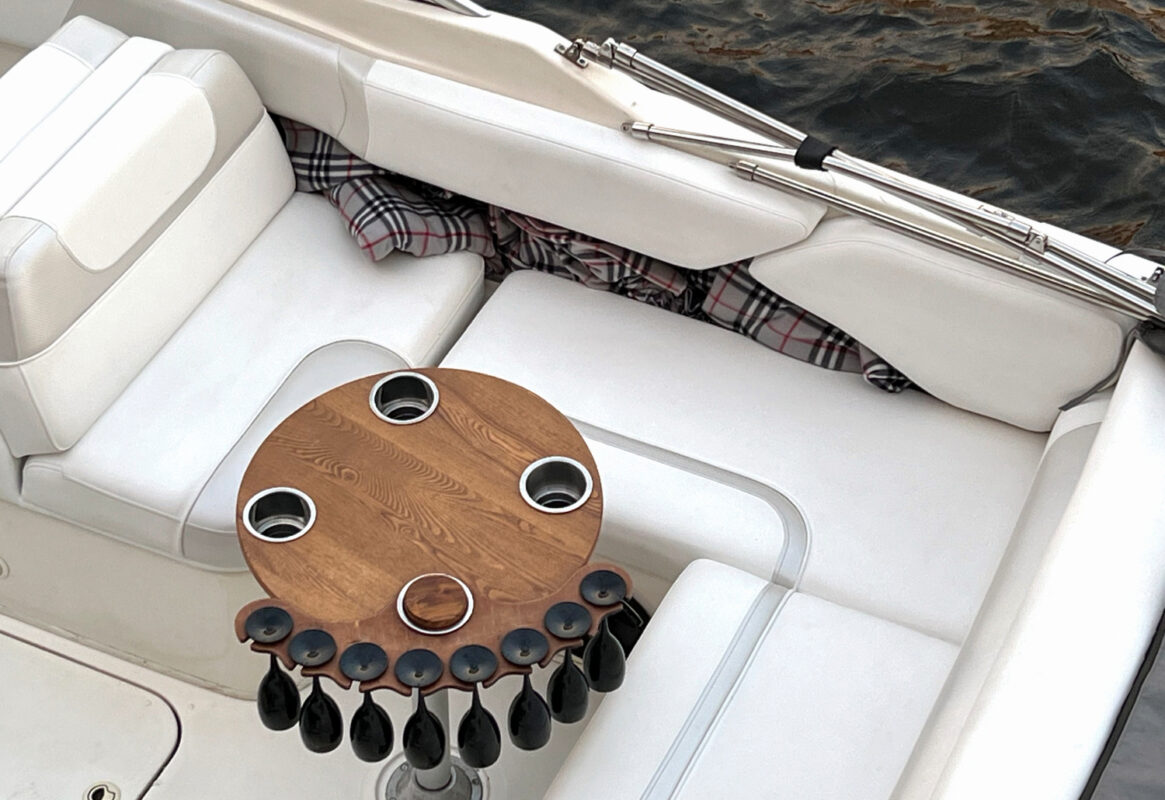
Pontoon boats are basically floating living rooms. People lounge on them for hours, the sun beats down relentlessly, and those wide, open bench seats soak up UV rays all day long. That’s why UV resistant vinyl isn’t just a nice-to-have on a pontoon, it’s a must. Without proper UV protection, you’ll start seeing fading and surface cracking well before the boat itself shows its age. Good marine grade vinyl holds its color and flexibility even when it’s baking in the summer heat week after week.
Fishing boats are a whole different story. If you’ve ever spent a day on the water hauling in fish, you know how rough seating gets treated. Anglers are constantly shifting, bracing hard against a fighting fish, and tossing tackle boxes and coolers around. That kind of repeated friction and pressure is brutal on seating material. What you really need here is a durable vinyl fabric with solid backing, something that can take a beating day after day without showing wear lines or tearing at stress points.
Moisture is a factor on both types of boats, but in pretty different ways. On a fishing boat, you’re dealing with direct splashing, wet equipment, and fish residue that can soak into seams. Mildew resistant vinyl is essential here, without it, you’ll be fighting musty smells and staining before long. Pontoon boats tend to see more food and drink spills than fish guts, so waterproof vinyl that wipes down easily keeps things looking sharp. Pick the right material for how you actually use the boat, and it’ll stay looking great for seasons to come.
How seating exposure and layout impact vinyl selection
Take a good look at where your seats actually sit on the boat, it tells you a lot about what material you need. On a pontoon, seating wraps around the edges of the deck and stays wide open to the elements. Those cushions often sit right on top of storage compartments underneath, which can trap moisture and humidity without anyone noticing. If the vinyl you choose absorbs moisture rather than repelling it, you can end up with deteriorating foam and damaged cushion bases long before the surface shows any visible signs of trouble.
Comfort really matters on a pontoon, too. When people are sitting in the same spot for three or four hours at a stretch, a vinyl that feels stiff or hot against bare legs gets old fast. The good news is that today’s marine upholstery vinyl has come a long way, you can get materials that feel genuinely comfortable while still holding up to years of sun, rain, and heavy use.
On a fishing boat, the challenge is different. You’re working with tighter seating setups, pedestal seats, small folding cushions, maybe a bow seat or two, and every one of them takes a pounding. People lean hard, shift their weight constantly, and sometimes stand up and sit back down dozens of times in a single fishing session. Reinforced marine vinyl fabric with real tensile strength handles those stress points without giving way. And if you live somewhere with harsh winters, don’t overlook cold crack resistance. Regular vinyl can turn brittle in freezing temperatures, and the first time someone sits down on a cold morning, you’ll hear it crack.
Texture is one of those details that seems minor but actually makes a big difference in day-to-day use. A lightly embossed surface gives you just enough grip to stay stable when the boat is rocking, while a smoother finish makes cleanup after a messy fishing day a lot easier. Knowing how you use your boat helps you find the right balance between the two.
Matching marine upholstery materials to real world boating conditions
Where you boat matters as much as how you boat. If you’re out on saltwater regularly, you need to take that seriously when choosing your vinyl. Salt doesn’t just sit on the surface, it works its way into seams and stitching over time, accelerating breakdown in ways that freshwater simply doesn’t. Premium marine grade vinyl built for saltwater environments is worth the extra investment if that’s the kind of water you’re on. A good marine vinyl supplier can help you identify which options are actually rated for those conditions.
Climate plays a bigger role than most people expect. If you’re boating in a hot, sunny region , think Florida, the Gulf Coast, the Southwest, lighter colored vinyl isn’t just an aesthetic choice. It reflects heat and keeps seat surfaces from getting scorching hot between uses. Pair that with UV resistant vinyl and you’re giving your upholstery the best possible chance of lasting. Up north, where temperatures swing hard between seasons, you want vinyl that stays flexible in the cold rather than turning stiff and cracking the first time someone drops into the seat in early spring.
Think honestly about how much maintenance you’re willing to do. If your pontoon is the social centerpiece of your summer and people are always eating and drinking on it, easy-clean waterproof vinyl saves you a lot of headaches. If your fishing boat is a workhorse that gets hosed down after every trip, you need something that can take repeated scrubbing without breaking down at the surface. Matching your vinyl to your actual habits, not some idealized version of them, is what keeps your seating looking great year after year.
At the end of the day, there’s no single “best” marine vinyl, there’s only the best one for your boat and the way you use it. When you take the time to think through sun exposure, activity level, water type, and climate before you buy, you end up with seating that holds up exactly the way you need it to, season after season.
Frequently Asked Questions
What makes marine vinyl different from standard upholstery materials?
Marine vinyl is built for punishment that regular upholstery simply wasn’t designed to handle. It’s treated to resist moisture, fight off mildew, and hold up under constant UV exposure without fading or cracking. Standard furniture vinyl would start deteriorating quickly in those conditions, marine vinyl is engineered to stay looking good through all of it.
Is UV resistance more important for pontoon boats than fishing boats?
Generally, yes. Pontoon seating is out in the open all day long, and those wide cushion surfaces absorb sun for hours at a stretch. Fishing boats need UV protection too, but pontoons tend to push that requirement to the extreme because of sheer exposure time and surface area.
How does climate affect marine vinyl performance?
Quite a bit, actually. In hot regions, you want vinyl that resists UV degradation and doesn’t turn into a frying pan between uses, lighter colors help here. In colder climates, the bigger concern is flexibility. Vinyl that gets stiff and brittle in cold temperatures is going to crack, especially when someone sits down hard on a chilly morning. Look for materials rated for the conditions where you actually boat.
Why is mildew resistance important in boat seating?
Boats are wet environments, plain and simple. Whether it’s splashing water, rain, wet gear, or just the ambient humidity near the water, that moisture creates the perfect conditions for mildew to take hold. Once mildew gets into seating material, you’re dealing with staining, odor, and eventually material breakdown. Mildew resistant vinyl stops that from becoming a problem in the first place.
Should fishing boats prioritize abrasion resistance?
Absolutely. Fishing puts seating through a kind of wear that recreational boating just doesn’t. Between gear being tossed around, anglers constantly shifting position, and the physical demands of reeling in fish, your seating takes a lot of concentrated stress in a small area. A durable marine vinyl with solid backing handles all of that without breaking down prematurely, and it saves you from replacing cushions every couple of seasons.
